Instagram

If you are considering orthodontics on Teheran-ro, Gangnam, OAKS Dental selects the method and appliance based on precise diagnosis, matched to each patient’s alignment and malocclusion. Orthodontics corrects crooked teeth and malocclusion to improve both chewing function and esthetics; OAKS Dental takes responsibility for regular check-ups and aftercare throughout treatment.

Oaks Dental

Bracket Braces

Bracket Braces › OAKS Dental Bracket Braces

Bracket Braces Process

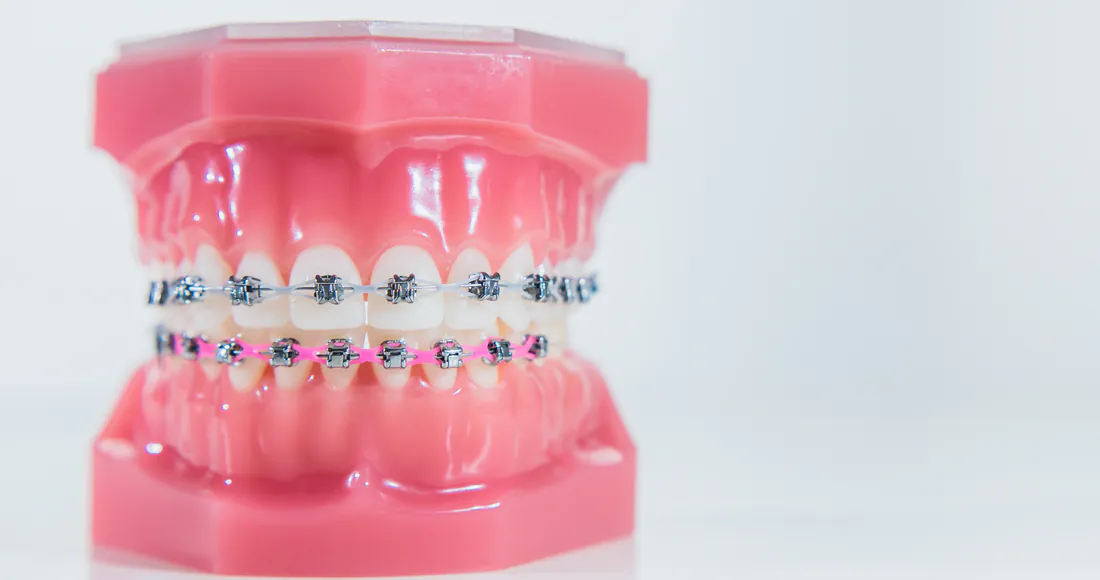
Bracket braces are the most standard orthodontic method, attaching brackets to the teeth and transmitting force through wires to move teeth precisely. You can choose appliances suited to your condition and esthetic needs, such as metal or ceramic brackets, and it applies broadly even to complex malocclusions.

Visit & consultation
Diagnosis & analysis
Start of orthodontic treatment
Regular visits
Wearing a retainer
step01

Visit & Consultation

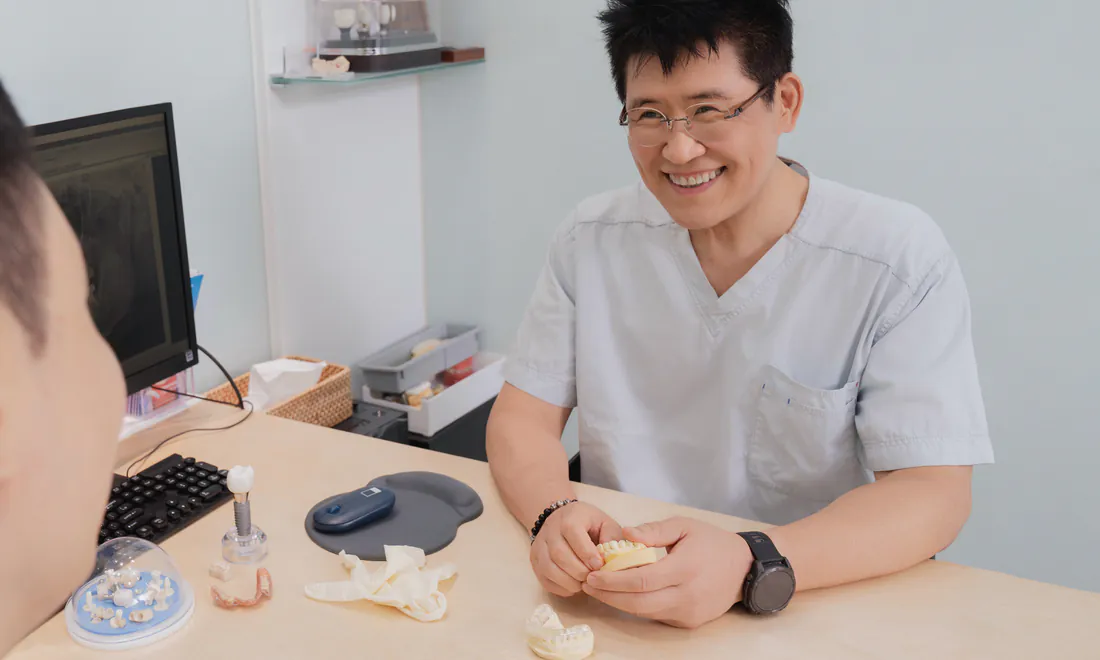
Through consultation with the orthodontist, we discuss why the patient wants orthodontic treatment and what they want to improve.

We also briefly check the face and jaw condition and perform an oral exam to share the current status.

step02

Diagnosis & Analysis

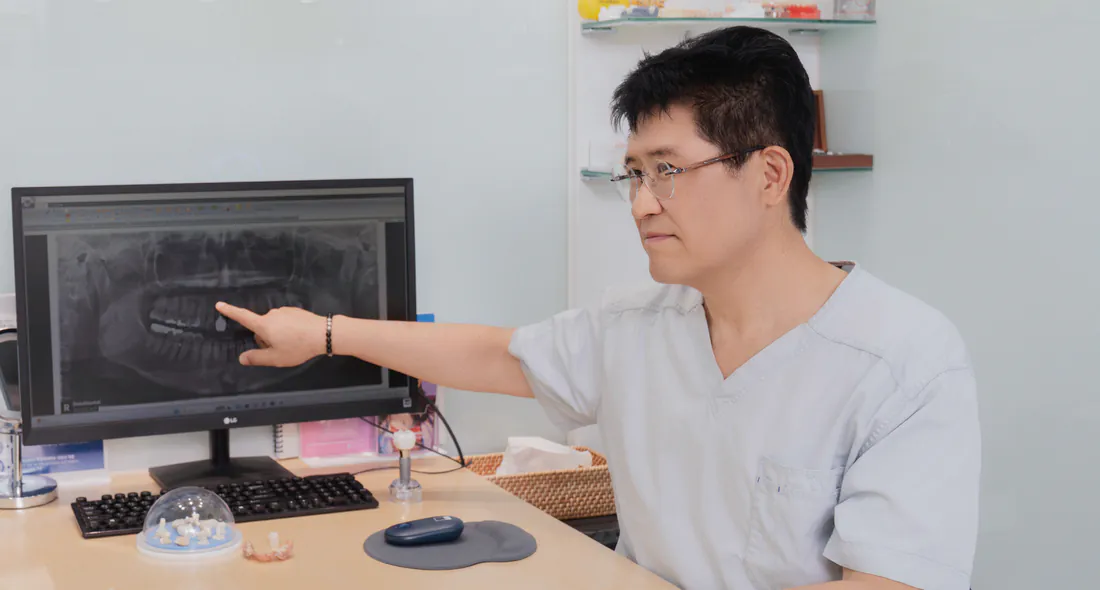
To establish a precise treatment plan, we take a dental CT and face and tooth photographs.

From this collected information we identify the cause of the malocclusion, establish a matching treatment plan, and decide the treatment period and appliance.

step03

Start of Orthodontic Treatment

Before starting orthodontic treatment, we treat cavities and gum disease in advance to prevent tooth damage during the treatment period.

If the jaw is narrow we may expand it or extract when necessary, but preserving natural teeth as much as possible is OAKS Dental’s principle.

step04

Regular Visits

After attaching the appliance and inserting the first archwire, we explain precautions during orthodontic treatment and how to use an orthodontic toothbrush.

Then you visit once every 4–6 weeks. The treatment period varies with the malocclusion and the patient’s age, but usually takes about 18–30 months.

step05

Wearing a Retainer

After orthodontics ends and the appliance is removed, the teeth tend to return to their original position. To prevent this, you wear a retainer for a certain period.

You visit every 2–3 months, so the actual orthodontic treatment period can be considered as excluding this retention period.

Length of Orthodontic Treatment?

The treatment period varies greatly by individual, but when only alignment is the issue it takes 8–20 months. For complex malocclusions, however, it can take up to 30 months.

Because it varies by condition, consult OAKS Dental, where you can trust the medical team, for details.

Symptoms

Phenomena that may appear after starting orthodontic treatment

The teeth and gums may hurt, and the cheeks may become sore and painful.

This appears when the orthodontic wire is tightened at each 4–6 week visit. The pain disappears in about 1–5 days after tightening.

It is not painful enough to require painkillers, just uncomfortable when eating. Since tooth movement occurs by inducing slight inflammation between the alveolar bone and tooth, taking painkillers should be discussed with the doctor.

You may feel itchiness around the teeth.

This is an additional sensation that accompanies tooth movement caused by the appliance.

The appliance may come off.

When the appliance is first attached, before you adjust your food and your cheeks and tongue adapt to the device, the attached appliance sometimes comes off.

In such cases, visit the clinic right away to reattach it. Reattachment takes about 1–2 weeks; because teeth may move in an unwanted direction or side effects may occur, you must contact the clinic immediately if the appliance comes off.

The gums may swell.

Occasionally, if brushing is difficult after attaching the appliance and gum care is neglected, the gums may swell and bleed; but if you visit the clinic for scaling and gum care, the swollen gums return to normal.

OAKS Dental orthodontics

OAKS Dental Orthodontics

Oaks Braces

Treatment Together

Orthodontics is treatment done together by doctor and patient.

Orthodontic treatment creates the environment for the patient’s teeth to move into the right position, and the patient must be careful with food so proper tooth movement is possible and manage well so the teeth are not damaged.

Patient-Tailored Treatment

For each patient’s beautiful smile, we provide the treatment that best fits the patient.

With OAKS Dental’s diverse know-how, we track not only tooth movement but also root movement to prevent diseases that may occur later.

FAQ

Frequently Asked Questions about Bracket Braces

From what age is orthodontics possible?

It is possible from growing children to adults; the timing and method are decided through precise diagnosis.

How long does orthodontics usually take?

It varies with the degree of malocclusion, but generally takes about 1 year 6 months to 2 years 6 months.

Is extraction orthodontics always necessary?

It is decided by the space for alignment and the degree of protrusion; non-extraction is sometimes possible, so precise diagnosis is needed.

What types of appliances are there?

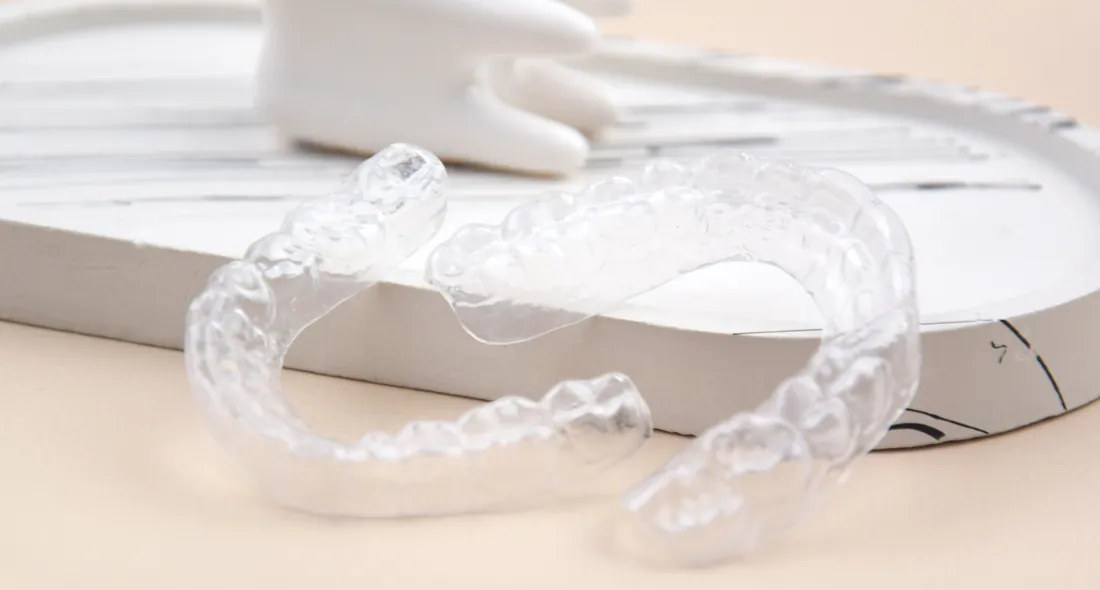
There are metal and ceramic brackets, lingual (inner-tooth) braces, clear aligners (Invisalign) and more, chosen to fit your condition and lifestyle.

Is a retainer necessary after orthodontics?

Yes. Teeth tend to return to their original position, so wearing a retainer is important to maintain the orthodontic result.

B

AUTHOR · MEDICAL REVIEW

Dr. Chulmin Bae Head Director, OAKS Dental Clinic

The Korean original of this treatment guide was written and medically reviewed by Dr. Chulmin Bae, Head Director of OAKS Dental Clinic. Dr. Bae focuses on orthodontics, implants and cosmetic dentistry such as laminate veneers and whitening, and personally treats each patient with a plan suited to their condition.

  • Graduate of Seoul National University
  • Master's in implantology, University of Münster, Germany
Last reviewed (Korean original) 21 July 2026 · Written and medically reviewed by Dr. Chulmin Bae, Head Director